Past and ongoing research can be summarized in four segments:
Democratic representation and political inequality
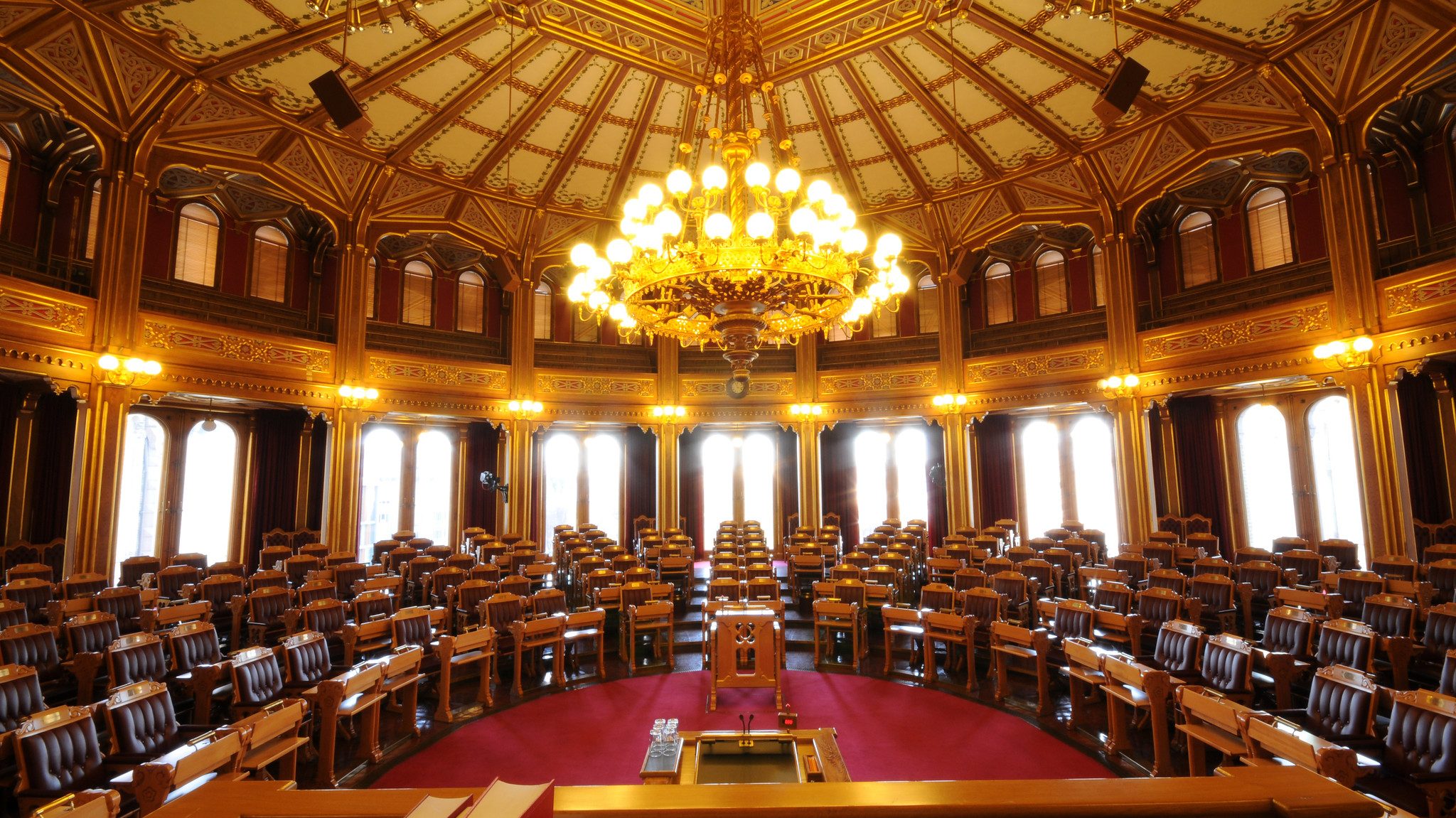
This topic deals with the relationship between citizens and their representatives in democracies. Democracy requires a certain level of congruence between what citizens want and what representatives do is required. One aspect in this perspective is the congruence between the preferences of the citizens and their (regional or party) representative; another is the congruence between people’s preferences and actual policy output; and yet another is the differentiated responsiveness of representatives—policies may favor some groups more than others. These types of relationships are central in this field, including the possible effects that different political institutions (e.g. electoral system; referendums; executive-legislative relation) may have on the level of congruence. This theme was central in the politics of inequality project, but continues to be my main research focus.
Democracy and institutional structures

This theme looks at the development of democracies over time, but also at the way that democracy functions when it includes a specific combination of democratic elements. Democracies all over the world have changed in their institutional structure—both incrementally and in big steps. Considering these changes and the challenges that democracies have had to deal with over time, the shape of democracy seems to have changed. This project aims to see how they have changed, whether we can now distinguish a different type of democracy, and whether we may observe different clusters of democracies moving in different directions, in a quantitative way.
Political participation and institutions

This theme focuses on the implications of institutional change in democracies between 1980 and 2005. The political system, and the way that governments deal with the distribution of public goods, seems to have changed over time. Although national governments still deal with many political issues, a lot of tasks have been delegated to other instances. The aim of this project is to see whether different types of authority diffusion (horizontal, vertical, diagonal) have had an impact on levels and changes in levels of different forms of political participation (representative, extra-representative and direct), and to what extent these changes transformed democracy.
Welfare attitudes and intra-EU migration

As part of the project ‘Labour migration and moral sustainability of the Norwegian welfare state’ (directed by Stein Kuhnle and Cornelius Cappelen; funded by the Norwegian Research council), we investigate the extend that within-EU migration affects how people think about their own welfare state. Also comparing with other forms of immigration, we try to find out whether citizens are more/less supportive of welfare schemes, whether they become more protective or exclusive/inclusive, and in what way institutional structures affect such relationships.
 Yvette Peters